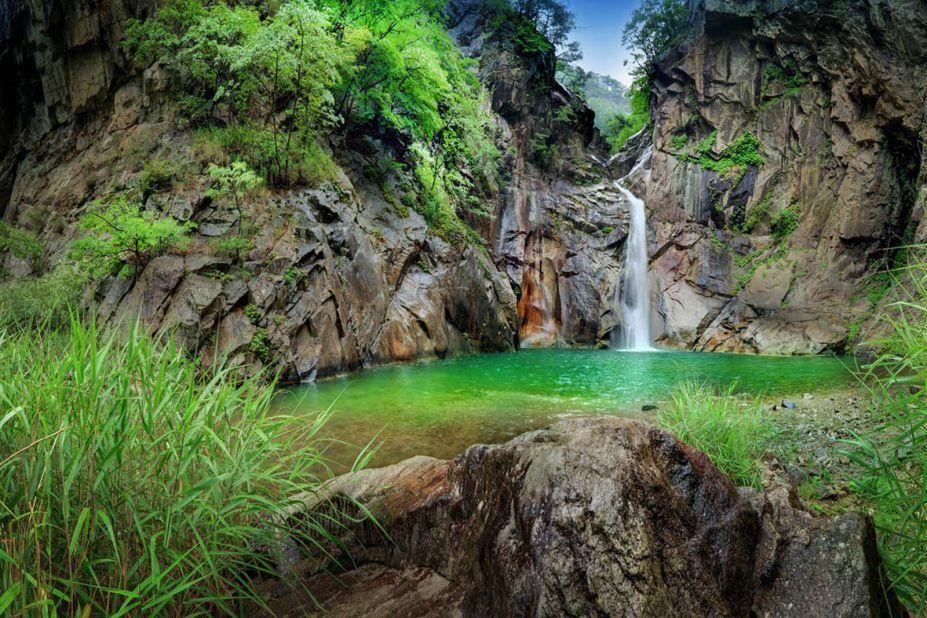
Sambuyeon Falls: According to local legend, there is a fascinating story behind this impressive 20-meter-high waterfall located in Gangwon Province. It is believed that a dragon once emerged from these falls, which is why the nearby village of Yonghwadong is named using the character for dragon.

The Namhansanseong Fortress: Situated on Mt. Namhan in Gyeonggi Province, this impressive earthen fortress stretches for 12 kilometers. Initially constructed 2,000 years ago, it underwent reconstruction in 1621. The area offers an extensive network of hiking trails, making it a favored destination for day trips and excursions.

Sareung: Explore the architectural wonders of Sareung, an exceptional UNESCO World Heritage site carefully preserving the royal tomb of Queen Jeongsun from the illustrious Joseon Dynasty. Nestled in scenic Gyeonggi Province, this sacred sanctuary provides limited access exclusively to individuals engaged in academic research and field investigation, as well as those seeking educational and worship purposes.
This revered burial ground offers a captivating glimpse into the rich historical legacy of South Korea, showcasing the esteemed resting place of Queen Jeongsun. As you delve into the fascinating world of Sareung, you'll uncover intricate details about the royal customs and customs of the Joseon Dynasty. The unique atmosphere of reverence and scholarship beckons researchers and visitors alike to immerse themselves in this cultural treasure.

Seonjeongneung Park —
Seonjeongneung Park: This historical site recognized by UNESCO showcases the burial grounds of King Seongjong, Queen Jeonghyeon, and King Jungjong from the Joseon Dynasty. Situated in Seoul's vibrant Gangnam district, visitors can explore these majestic tombs any day of the week except Mondays, at an affordable admission fee of under $1.

Gobungun, Changyeong —
Gobungun, Changyeong: The ancient tombs in this area, which date back to the 5th and 6th centuries, offer a fascinating glimpse into the past. With approximately 180 tombs, this site in South Gyeongsang Province is conveniently located near main roads, making it easily accessible for visitors to explore and learn about the region's history.

Anapji Pond, also known as Anapji Pond, was created in 674 during the Silla Dynasty. Situated in North Gyeongsang Province, this captivating circular pond was first built within a fortress that has since been demolished.
 historic return of Korean royal books that had been looted by the French military 145 years before. ">
Gyeongbokgung Throne Room —
Gyeongbokgung's Geunjeongjeon: In the heart of Seoul's Jongno-gu, lies Gyeongbokgung Palace where critical national matters were once handled in its Geunjeongjeon, also known as the Throne Room. This captivating photo captures a ceremonial event harnessed to honor the triumphant retrieval of Korea's royal manuscripts, misappropriated by the French army a breathtaking 145 years ago.

Discover the historical charm of South Korea at Changgyeonggung. This majestic palace, built in 1483 during the Joseon Dynasty, served as the residence for queens and concubines. Immerse yourself in the rich heritage and fascinating stories that date back centuries.
With just one admission ticket, you can explore not only Changgyeonggung but also other iconic landmarks in Seoul. Don't miss the opportunity to visit the four palaces - Deoksugung, Gyeongbokgung, Changdeokgung - and the Jongmyo shrine. Each site offers its own unique glimpse into Korea's royal history and architectural brilliance.
Enhance your visit to South Korea's capital city by delving into the past and uncovering the secrets of these magnificent structures. Plus, save time and money with the convenience of a single ticket, allowing you to experience multiple highlights of Seoul's cultural heritage.

Inwangsan: Located on the outskirts of Seoul, Inwangsan is a 338-meter-high mountain that offers breathtaking views of the city. This popular hiking spot provides visitors with a panoramic vista, showcasing iconic landmarks such as the palaces, N Seoul tower, and the Blue House, which is the official residence of the Korean president. Not only does Inwangsan offer stunning scenery, but it also boasts a historical significance with several castles constructed in an effort to safeguard the city from potential foreign invasions.
If you're an adventure enthusiast looking for an exhilarating outdoor experience, Inwangsan's hiking trails promise an unforgettable journey. Take a moment to soak in the natural beauty and immerse yourself in the rich history of this remarkable mountain. Whether you're a local or a tourist, exploring Inwangsan is a must-do activity that offers a unique perspective on the bustling city of Seoul.

The Jongmyo Shrine, located in Jongno-gu, Seoul, is a significant historical site that was constructed by Lee Seong Gye, the first king of the Joseon Dynasty. This shrine served as a place of worship and memorial services for the Korean kings.
Every year, on the first Sunday of May, a mesmerizing reenactment of a memorial service takes place at the Jongmyo Shrine. This reenactment showcases music and dance performances from five centuries ago, offering visitors a unique insight into Korea's rich cultural heritage.

Gochang Dolmen site was given the nickname "the Stonehenge of Korea" due to its resemblance to the famous Stonehenge monument in England. This UNESCO World Heritage Site is home to more than 400 dolmen, which are stone graves constructed during the prehistoric era. Visitors can also explore the dolmen museum located on the site.

Wanggungri —
Wanggungri: The five-story pagoda at Wanggungri in Iksan, North Jeolla Province, is an iconic example of the refined architecture of the Baekje Period (18 BCE-660 CE).

The Seoul Seonggwak Fortress Wall, built during the Joseon Dynasty, stretches over 18.2 kilometers and serves as a historic monument guarding the capital. Embark on a picturesque walking tour along this magnificent stone structure, passing notable landmarks like Dongdaemun, a vibrant hub for late-night shopping, and Naksan Mountain. The tour culminates at Ehwajang, formerly the residence of Korea's first president, Syngman Rhee.
Discover the rich heritage and breathtaking views as you explore this UNESCO World Heritage Site, immersing yourself in the history and culture of Seoul.

Gangneung Anbandeok-gil is a must-visit destination in South Korea, offering a unique blend of natural beauty, cultural richness, and historical significance. Located in Gangwon Province, this city attracts countless domestic tourists throughout the year due to its convenient accessibility from Seoul, just a three-hour express bus ride away.
Immerse yourself in the stunning landscapes of Gangneung, as it is blessed with both majestic mountains and breathtaking beaches. Marvel at the vibrant colors of the changing seasons as you hike through its scenic trails or relax by the crystal-clear waters of its pristine coastlines.

Soyang Lake is a breathtaking destination in Gangwon Province, known for its tranquility and stunning landscape. Often referred to as the "sea on land," this natural gem owes its creation to Soyang Dam, which happens to be Asia's largest rock-fill dam.
This magnificent lake is not only a scenic wonder but also a hotspot for ice-fishing enthusiasts. With its calm waters and picturesque surroundings, Soyang Lake offers a serene setting for visitors to enjoy the beauty of nature.

Discover the enchanting beauty of the Upo Wetlands in South Korea. Spanning over 5,550 square kilometers, these wetlands provide a sanctuary to more than 1,000 unique species.
The Upo Wetlands have been under protection since 1998, ensuring the preservation of its rich biodiversity. To witness the wetlands at their most breathtaking, plan your visit during the tranquil hours of morning or early evening, when you can experience the mesmerizing combination of rain, mist, and the delicate flickering of fireflies.

When it comes to picturesque landscapes, Hapcheon in South Gyeongsang Province doesn't disappoint. The mesmerizing terraced rice paddy fields, locally known as "daraknon," offer a glimpse of North Korean influence that still resonates in the South.
These thin and long terraced rice paddies are not only a testament to the region's agricultural heritage but also serve as an awe-inspiring sight for visitors. The intricate rows of meticulously planted rice plants create a harmonious pattern that is as pleasing to the eyes as it is a testament to the skilled farmers who tend to them.

Buseoksa Temple in North Gyeongsang Province holds great historical significance in South Korea. Built in 676 during the Silla Dynasty, it is the oldest surviving wooden building in the country. The temple's unique feature lies in the 108 steps between Cheonwang gate and Anyang gate, representing the cycles required for redemption from agony and evil. Every evening at 6 p.m., the temple's bell resonates with a gentle chime, as it is rung 33 times, symbolizing spiritual harmony.
This ancient temple offers visitors a captivating experience, immersing them in the rich cultural heritage of South Korea. The architectural grandeur and spiritual ambiance of Buseoksa Temple make it a must-visit attraction for those seeking to explore the country's historical treasures. To fully appreciate its serenity and beauty, don't miss the opportunity to walk the symbolic 108 steps and witness the enchanting ritual of the bell ringing.

Geumsan Boriam Temple is a renowned religious site situated in North Gyeongsang Province. Locals believe that prayers made at this temple are often answered, making it a popular destination for worshippers seeking divine intervention. In addition to its spiritual significance, the temple also offers overnight accommodation for visitors as part of a special program. Immerse yourself in the serene atmosphere of Geumsan Boriam Temple and experience a unique blend of spirituality and tranquility.

Dolsan Bridge: South Jeolla Province is home to Dolsan Bridge, which is known for being the longest cable-stayed bridge in Korea. As day turns into night, the bridge transforms into a captivating spectacle with its mesmerizing lighting design. Locals and tourists alike can enjoy evening strolls along the bridge, taking in the breathtaking ambiance.
In addition to its impressive length and illuminations, Dolsan Bridge offers picturesque views of the surrounding area. Standing on the bridge, visitors can admire the scenic coastal landscapes and the glimmering city lights in the distance. It is a must-visit destination, combining architectural beauty and mesmerizing surroundings.

Andong Hahoe Village —
Andong Hahoe Village: Renowned as Korea's most prominent folk village, Andong Hahoe Village, situated in North Gyeongsang Province, holds a rich historical significance as the ancestral home of the Ryu family, known for producing scholars and nobles. It has also attracted international attention, with even Queen Elizabeth of the United Kingdom visiting in 1999. Indulge in an immersive experience by staying in a traditional Korean house, offering a glimpse into the lifestyle and traditions of Korean nobility spanning centuries.
Moreover, Andong Hahoe Village features a variety of captivating attractions that allow visitors to explore the village's cultural heritage. One notable highlight is the Mask Museum, which showcases a diverse collection of traditional Korean masks, offering insights into the country's performing arts and folklore. Additionally, the village hosts the Hahoe Mask Dance Festival, a vibrant celebration where visitors can witness traditional mask dances performed by locals dressed in colorful attire, fostering a deeper connection with the local culture and traditions.

Ojakgyo —
Ojakgyo: Named after the traditional Korean folktale, "Ojakgyo" is a captivating location in North Jeolla Province. This picturesque setting has been immortalized as the backdrop for one of Korea's most beloved love stories. The tale revolves around a couple who are separated by the vast expanse of the Milky Way, only to find solace in their reunion as magpies miraculously form a bridge to bring them together once more.

Gwangalli —
Gwangalli Beach: Gwangalli Beach is one of Busan's famous beaches, along with Haeundae. One of Busan's most recognizable features, the Gwangan Bridge, which is known as Korea's longest suspension bridge, offers a picturesque setting for capturing memorable photos in Busan.

One of South Korea's hidden gems is Samhwasa Temple in Gangwon Province. This ancient temple has captivated the hearts of poets and painters for centuries, thanks to its breathtaking surroundings. Nestled in the west peak of Dutasan Mountain, the temple boasts a mesmerizing view that resembles a phoenix and a crane on one side, and a tiger and a dragon on the other.
Aside from the temple itself, visitors can also explore the tranquil nature trails around the area, offering a perfect escape from the bustling city life. Don't forget to bring your camera to capture the awe-inspiring beauty of this mystical place.

Explore the charming village of Hamdeok during your visit to South Korea's Jeju Island. Just 30 minutes east of Jeju Airport, this small seaside village boasts stunning landscapes adorned with vibrant rapeseed flowers during the summer months. However, the main highlight of Hamdeok is its breathtaking sapphire beach, renowned as a popular kayaking destination with tranquil waters perfect for water sports enthusiasts.
Immerse yourself in the serenity of Hamdeok's coastal beauty as you partake in kayaking adventures or simply relax on the sandy shores. The idyllic scenery, combined with the village's close proximity to Jeju Airport, makes it an easily accessible and picturesque spot to visit.

Welcome to Hyeupjae Beach!
When it comes to stunning coastlines, Hyeupjae Beach is a top choice recommended by Korean travel writers. This picturesque beach consistently ranks as the most beautiful in the country.
With its breathtaking scenery and crystal-clear waters, Hyeupjae Beach is a destination that captivates visitors. Whether you're looking to relax under the sun, take a refreshing dip, or indulge in various water activities, this beach offers it all.

Marado Island
About Marado: Located in Seogwipo-si, Marado is an island that is known for its remote and challenging accessibility. The island can only be reached by a limited number of ferry departures each day from Moseulpo Harbor, situated on the south coast.

Yonghwa Beach is a picturesque destination located in Samcheok city. Situated amidst a lovely pine forest and adorned with a flowing stream, it offers a delightful holiday experience. The beach provides the perfect ambiance for relaxation, as visitors have the option to frolic in either the refreshing seawater or the invigorating freshwater. Whether you prefer the cool shade of the pine trees or the soothing sounds of the nearby stream, Yonghwa Beach promises a joyful and rejuvenating vacation.

Description of Sehwa-ri:
Sehwa-ri: This small white beach located in Jeju Island is a popular spot for seagulls, particularly during winter. Photographer Kim Bong-sun mentions that the picturesque scenery along the road from Sehwa-ri to Seongsaneup, known for its stunning sunsets, is highly cherished by the locals.

Songaksan is a well-known mountain in Jeju with distinctive features. This volcanic mountain boasts an impressive 99 peaks, making it a popular destination for hikers. One of its notable attractions is a crater that spans an impressive 500 meters in diameter. For those seeking panoramic views, it only takes an hour to reach the highest peak, which stands at an elevation of 104 meters above sea level.

Udo —
Udo: Located near Jeju, Udo is a charming satellite island known for its delicious black pork barbecue. This mouthwatering dish is definitely worth the trip. To reach Udo, you can take a 15-minute boat ride from Seongsan Harbor, which is approximately an hour's drive away from Jeju Airport.

Yongduam is a captivating attraction for tourists visiting Jeju Island. Known as "dragon head rock," Yongduam offers an incredible sight, especially during stormy weather when powerful waves collide with the rock. The resulting images are truly breathtaking.

Cheonjiyeon Falls, located on Jeju Island, is a breathtaking waterfall encompassed by natural beauty. Derived from a fascinating legend about seven divine attendants descending upon Earth to cleanse themselves in the pond, it is aptly named "the pond of the gods." This captivating tale has inspired the annual Seven Fairies Festival, celebrated every May, as a tribute to the myth.
Immerse yourself in the serenity and tranquility of Cheonjiyeon Falls, as the cascading waters create a mesmerizing spectacle against the backdrop of lush greenery. Feel the rejuvenating energy in the air as you explore the surrounding trails, spotting vibrant flora and fauna along the way.

Tokkiseom, also known as "Rabbit Island," is a picturesque getaway located off the coast of Jeju, South Korea. During the summer months, this charming island is adorned in a sea of white flowers, creating an enchanting sight reminiscent of a white rabbit.
With its unique distinction as the only place in Korea where crinum flowers grow, Tokkiseom offers a one-of-a-kind experience for nature enthusiasts. The island's name pays homage to its resemblance to a white rabbit when seen from afar.

Yeongam —
Yeongam: Located in South Jeolla Province, Yeongam offers a charming and relaxing experience for visitors. The area is known for its various attractions, including temples, ancient tombs, and traditional estates.

Miryang Maneosa —
Miryang Maneosa: In the picturesque South Gyeongsang Province of South Korea lies a captivating ancient temple enveloped by the enchanting legend of the floatstones. These unique rocks, said to have once been living fish, hold a mystical power that has captivated believers for centuries. It is believed that by making a wish upon these ancient stones, women who have struggled to conceive may be blessed with the gift of a son.
With its intriguing folklore and serene surroundings, Miryang Maneosa entices visitors to explore the rich history and cultural tapestry of South Korea. Immerse yourself in the magical atmosphere and discover the tranquility that accompanies this extraordinary destination.

Seongsan Ilchungbong, also known as the "sunrise peak," is a historic and awe-inspiring volcanic crater located in Jeju-si, South Korea. With a rich history spanning 5,000 years, this remarkable natural formation has been designated as a UNESCO World Heritage Site. Every morning, visitors can witness breathtaking views from the peak, making it a mecca for photographers across the country.

Changdeokgung is the second oldest of the five grand palaces in South Korea. Situated in Jongno-gu, Seoul, it is known for its stunning photo opportunities. Please note that Changdeokgung should not be confused with Changgyeonggung.

South Korea: Unveiling the Magnificent Lures Across Its Provinces
The Majestic Halla Mountain:
Setting the skyline of Jeju Island, Halla Mountain doesn't merely hold the record of the loftiest peak in South Korea, but it's also a sanctuary to an impressive ensemble of around 4,000 unique fauna species. The mountain trails have been brilliantly engineered for a thrilling hike, however, beware of the capricious weather conditions. Note, the mountain slopes can only be explored in daylight hours.
While the energetic cityscape of Seoul will always have a special place in our hearts, the unparalleled charm of South Korea's more understated regions provide truly transformative travel experiences.
From tantalizingly eccentric food trails to profoundly immersive natural vistas, we have compiled an assortment of provincial destinations you should definitely earmark for your South Korean expedition:
GYEONGGI PROVINCE
1. Experience K-drama Enthusiasm at MBC Dramia (MBC 드라미아)
At MBC Dramia, the set for the captivating K-drama "The Moon Embracing the Sun" (해를 품은 달), aficionados have been thronging to witness the palpable on-screen chemistry between actors Han Ga In and Kim Soo Hyun.
The captivating backdrops of Dramia played host to other notable Drama shoots including “Jumong,” “The Great Queen Seondeok," and the riveting “Dong-e.”
At this location, visitors are treated to an exciting assortment of activities; dual viewing tour options, stepping into historical courtly attire themselves, engaging in traditional folk amusements, and testing their precision in archery.
778-1 Yongcheon-ri, Baekam-myeon, Cheoin-gu, Yongin-si, Gyeonggi Province (경기도 용인시 처인구 백암면 용천리 778-1번지)
2. The Creative Sanctuary: Heyri Art Village (헤이리 예술마을)
Life in Heyri is filled with intriguing exhibitions and vibrant festivals.
The conceptualization for the Heyri Art Village first occurred in 1998. This artistic hub is now dwelling to over 350 creative personas that major in diverse artistic genres such as fine arts, photography, music, theater, sculpture, crafts, and literature. Their lofty ambition is to foster an environment for cultural exchange, intellectual dialogue, and education while showcasing and retailing meticulously crafted masterpieces.
Located at: 1652 Beopheung-ri, Tanhyeon-myeon, Paju-si, Gyeonggi Province (경기도 파주시 탄현면 법흥리 1652번지). This village is not just a living space; it's designed to invite visitors to participate in the extraordinary world of art and creativity.
3. The Gallery Sansawon (전통술 갤러리 산사원)
The Gallery Sansawon experience is the traditional Korean equivalent of the brewery tour.
The “gallery” houses more than 1,000 historical documents and Korean alcohol-related items, but if museums just aren’t your thing, it also offers free samples of 10 different kinds of traditional alcoholic drinks and food items, from alcohol bread and crackers to yakgwa (traditional cookies) and yeot (traditional taffy) made with rice wine lees.
512 Hwahyeon-ri, Hwahyeon-myeon, Pocheon-si, Gyeonggi Province (경기도 포천시 화현면 화현리 512번지)
GANGWON PROVINCE
4. The Exotic Experience at Woljeongsa Temple Stay (월정사 템플스테이)
Aged around 1,400 years and set amidst peaceful fir trees, Woljeongsa Temple finds its home in Odae mountain's eastern valley.
Not just a site of ancient grandeur, this temple is also a custodian of critical cultural artifacts. The immersion into cultural experiences reaches its peak with an exciting temple stay program specially designed for global visitors. The program extends a unique opportunity to understand Buddhist customs, participate in traditional tea rituals, and create 108-bead Buddhist prayer beads known as malas.
Beyond mere sightseeing, this experience at Woljeongsa can be a journey into oneself, connecting with inner peace and serenity.
Destination: 63 Dongsan-ri, Jinbu-myeon, Pyeongchang-gun, Gangwon Province (강원도 평창군 진부면 동산리 63)
5. Yoon’s Restaurant (윤가네 한우마을)
Gangwon Province is known for its tender, delicious beef, and Yoon’s Restaurant (Yoongane Hanwoo Maeul) is one of the most famous Korean barbecue restaurants in the country.
Located near the High1 Resort, skiers and snowboarders frequent the restaurant after a day of hard riding for the restaurant’s near-perfect charcoal-grilled sirloin, ribs and fillet. Doenjangjjigae (bean soup) and naengmyeon (cold buckwheat noodles) are also best-selling dishes.
One serving (170 grams) of grilled beef sirloin and one serving of grilled beef ribs cost $26.50 (₩30,000) each.
62-48 Gohan-ri, Gohan-eup, Jeongsun-gun, Gangwon Province 강원 정선군 고한읍 고한리
SOUTH CHUNGCHEONG PROVINCE
6. Explore the Charming Oeam Maul Village
Step back in time and immerse yourself in the rich history of Oeam Maul village, a hidden gem from the Joseon Dynasty era. This beautifully preserved village boasts a mixture of tile-roofed and thatched-roof houses, painting a picturesque scene of traditional Korean architecture.
Experience the village's vibrant culture through a variety of tour programs available throughout the year. Depending on the season, you can participate in activities such as rice planting, kite-making, sledding, kimchi-making, and even enjoy the unique opportunity to stay overnight at a hanok, a traditional Korean-style house.
Location: Oeam-ri, Songak-myeon, Asan-si, South Chuncheong Province (충남 아산시 송악면 외암리)
As you explore the village, you'll be captivated by its charm and the rich insights into Korean history it offers. Take a leisurely stroll through the narrow alleys, admire the well-preserved architecture, and listen to the tales of the past from the friendly locals.
Don't forget to bring your camera, as Oeam Maul is a perfect spot for capturing unforgettable moments. Whether you're a history enthusiast, a culture lover, or simply seeking an escape to a tranquil setting, Oeam Maul village promises a delightful and immersive experience.
7. Taean Greentour (태안 농어촌체험관광)
Taean is home to 12 seaside villages, 11 farms (some orchards, some plantations) and six different festivals including a clam-calling festival and a garlic-digging festival.
The mudflat is an excellent playground for novice fishermen who want to experience life in a fishing village.
Taean-gun, South Chuncheong Province (충남 태안군)
50 beautiful places to visit in South Korea
NORTH CHUNGCHEONG PROVINCE
Discover the Vibrant World of Traditional Korean Music in Nangye Gukak Instrument Production Village
Nestled in the picturesque North Chungcheong Province of South Korea, Nangye Gukak Instrument Production Village is a captivating destination that immerses visitors in the rich heritage of classical Korean music, known as gukak. With a focus on studying and crafting traditional Korean instruments, this village showcases the dedication and artistry behind these soulful melodies.
One of the best times to experience the enchantment of Nangye Gukak Instrument Production Village is during the celebrated Korea Haegeum Festival, which takes place annually in October. This vibrant event brings together talented musicians from around the country, who captivate audiences with mesmerizing performances and showcase the immense cultural significance of gukak.
Located at 521-1 Godang-ri, Simcheon-myeon, Youngdong-gun, Nangye Gukak Instrument Production Village provides a serene backdrop for visitors seeking to explore the world of traditional Korean music. Plan your visit to this hidden gem and immerse yourself in the harmonious melodies that have been cherished for centuries.
Discover Sangsoo’s Herb Park
Indulge in the unique flavors and scents of Sangsoo’s Herb Park, an herbal-themed park located in Cheongwon, North Chungcheong Province. One of the park's most intriguing offerings is the Cotbap, a delightful combination of rice cooked with rosemary leaves, herbal flowers, herb sprouts, pork chops, nuts, and a spoonful of herb gochujang.
Immerse yourself in the enchanting world of herbs as you explore over 1,000 different varieties grown within the park. In addition to their Sweet Aroma Zone, where you can breathe in the captivating fragrances, Sangsoo’s Herb Park also provides five different herb handicraft experience programs. These include making herb rice cakes, crafting herb potpourri, creating herb soap, planting herbs, and crafting herb-scented candles.
If you're looking to indulge in this sensory adventure, make your way to 480 Oecheon-ri, Buyong-myeon, Cheongwon-gun, North Chungcheong Province. Sangsoo's Herb Park awaits, ready to ignite your senses and offer a truly unique experience amidst the beauty of nature.
Discover Sangsoo’s Herb Park
Indulge in the unique flavors and scents of Sangsoo’s Herb Park, an herbal-themed park located in Cheongwon, North Chungcheong Province. One of the park's most intriguing offerings is the Cotbap, a delightful combination of rice cooked with rosemary leaves, herbal flowers, herb sprouts, pork chops, nuts, and a spoonful of herb gochujang.
Immerse yourself in the enchanting world of herbs as you explore over 1,000 different varieties grown within the park. In addition to their Sweet Aroma Zone, where you can breathe in the captivating fragrances, Sangsoo’s Herb Park also provides five different herb handicraft experience programs. These include making herb rice cakes, crafting herb potpourri, creating herb soap, planting herbs, and crafting herb-scented candles.
If you're looking to indulge in this sensory adventure, make your way to 480 Oecheon-ri, Buyong-myeon, Cheongwon-gun, North Chungcheong Province. Sangsoo's Herb Park awaits, ready to ignite your senses and offer a truly unique experience amidst the beauty of nature.
10. Renowned Korean Therapeutic Hamlet (한방명의촌)
At Korean Famous Medical Village, guests can embark on a journey to health and wellness. The aptly termed “Oriental Medicine Experience Program” provides five unique therapies. These include an "oriental physical exam" that uncovers the age of your blood vessels, a refreshing facial massage with a rejuvenating mask tailor-made to lift your face, customized foot care following oriental methods, heat therapy using a particular type of stone called jwahun in oriental steam treatment, and finally, a taste of health-enhancing teas.
Journey to unforgettable wellness at 210 Myeongam-ri, Bongyang-eup, Jecheon-si, North Chungcheong Province (충북 제천시 봉양읍 명암리 210번지). Also, did you know that South Korea is widely recognized for its advanced medicinal practices? Additionally, the Korean Famous Medical Village is not just a place for wellness, but also a cultural hub where visitors can learn more about traditional Korean medicine.
11. Discover the Delights of South Jeolla Province's Cheongmaesil Farm
Escape to the enchanting Cheongmaesil Farm in South Jeolla Province, where tradition meets nature. With over 80 years of history, this idyllic farm offers a plethora of maesil-related experiences for visitors to indulge in.
Embark on a journey of exploration as you pick your own maesil fruits, immersing yourself in the vibrant hues of the blossoming trees that adorn the farm during March. In June, seize the opportunity to participate in the time-honored tradition of maesil-picking, a truly authentic experience.
But that's not all! Delve deeper into the secrets of maesil with the expert guidance of farm owner, Mrs. Hong. Attend her captivating lecture and uncover the wonders of this unique fruit. Afterward, pamper your skin with a maesil concentrate facial, renowned for its nourishing properties.
Located at 414 Dosa-ri, Daap-myeon, Gwangyang-si in South Jeolla Province, this hidden gem is waiting to be explored by nature enthusiasts and curious minds alike.
Discover the Treasures of Gangjin Celadon Museum
Step back in time and immerse yourself in the fascinating world of celadons at the Gangjin Celadon Museum. Located in the historically renowned region of Gangjin, South Jeolla Province, this museum offers a captivating glimpse into the exquisite craftsmanship and rich history of Goryeo celadon.
Uncover the secrets of celadon production as you explore the museum's collection of over 450 Goryeo celadon artifacts, which includes a kiln site. Enhancing the experience further, the museum also offers a hands-on celadon-making program where visitors can try their hand at wheel-shaping, sculpting, and creating mosaics, truly immersing themselves in the art form.
Intriguingly, Gangjin boasts an impressive 188 celadon kiln sites that have been discovered in the region, solidifying its reputation as a hub for celadon production during the ninth to 14th centuries.
Plan your visit to the Gangjin Celadon Museum to uncover a world of beauty, artistry, and cultural heritage.
117 Sadang-ri, Daegu-myeon, Gangjin-gun, South Jeolla Province (전라남도 강진군 대구면 사당리 117)
NORTH JEOLLA PROVINCE
13. Jinan Red Ginseng Spa 진안 홍삼스파
Jinan Red Ginseng Spa features various therapy rooms, a rooftop open-air bathtub and meditation labyrinths. For visitors staying in one of the hotels in Seoul, this spa presents the perfect opportunity to experience traditional Korean wellness treatments and unwind after a day of sightseeing or business meetings.
Oriental medicine constitution consultants are available to help you make the best therapy choices. Yongdam, the spa’s Korean restaurant located on the first floor of Hotel Ginsengvill, prides itself on using “well-being” ingredients like ginseng, black pork, deodeok (a type of mountain root) and mushrooms. Visitors and guests at Hotel Ginsengvill can enjoy not only the luxurious spa facilities but also the wholesome and revitalizing cuisine that embodies the essence of Oriental wellness practices.
16-10 Oesayang-gil, Jinan-eup, Jinan-gun, North Jeolla Province (전북 진안군 진안읍 외사양길 16-10)
Bijindo: The Korean island where time stops
14. The Celebratory Sunchang Gochujang Fiesta, Located in Gochujang Town (순창 장류축제, 고추장마을)
The town of Sunchang has gained international fame for its superb gochujang - a mouth-watering hot paste, having a combination of spicy, sweet, and salty flavours, created from red pepper powder along with other ingredients.
Every November, the town comes alive with the Sunchang Gochujang Festival. This event offers attendees the chance to stroll among various stalls and savor an assortment of gochujang and foods prepared with this unique ingredient.
For those who can't wait until November, there are opportunities to join a gochujang crafting lesson or try your hand at making injeolmi. It's a popular rice cake delicacy dusted with bean flour, a must-try local treat.
265-5 Baeksan-ri, Sunchang-eup, Sunchang-gun, North Jeolla Province (전북 순창군 순창읍 백산리 265-5)
SOUTH GYEONGSANG PROVINCE
15. The Magnificence of Oedo Botania (외도 보타니아)
With a climate characterized by gentle temperatures and significant rainfall, Oedo Botania thrives as an island blanketed by breathtaking camellias - a paradise where both temperate and tropical vegetation find a nurturing home.
Whether you're a plant enthusiast intrigued by the variety of 800 unique species, or a fan of the globally acclaimed K-drama “Winter Sonata” remembering its final scene's locations, there's something for everyone. Explore the depth of the island further and discover hidden gems like a dinosaur cave, a rock formation resembling a dinosaur, and a park adorned with sculptures. The complete exploration takes approximately 50 minutes.
Had enough of wandering for one day? Find solace in Otea's Room with a rejuvenating cup of herbal tea while gazing upon the expansive ocean, or indulge in a warm bowl of udon at the food stand.
109 San Wahyeon-ri, Irun-myeon, Geoje-si, South Gyeongsang Province (경상남도 거제시 일운면 와현리 산 109번지)
Also, make a point to visit the picturesque coastal access point, Tongyeong, during your South Korean voyage.
Experience Tranquility at Sancheong Hanbang Resort
Indulge in a serene and rejuvenating getaway at the eco-friendly Sancheong Hanbang Resort, where you can immerse yourself in nature and traditional Korean healing practices. Start your day with an exciting rafting trip on the river, taking in the breathtaking views and feeling the thrill of the rapids.
Afterwards, pamper yourself with a medicinal herb bath, known for its therapeutic properties, followed by a blissful session in a Korean dry sauna crafted from the finest red clay. The sauna's soothing warmth will leave you feeling relaxed and refreshed.
The resort offers various accommodations to suit your needs, including six two-room pensions, one three-room pension, and three duplex type pensions. Each unit provides a cozy and comfortable space for you to unwind after a day of exploration and relaxation.
If you're seeking tranquility and natural beauty, Sancheong Hanbang Resort is the perfect destination for your next vacation.
Location: 327 Nae-ri, Sancheong-eup, Sancheong-gun, South Gyeongsang Province
NORTH GYEONGSANG PROVINCE
Discover the Unique Flavors of Cheongdo Gamwine
If you're looking for a wine experience that goes beyond the traditional wine regions, Cheongdo Gam Wine in Cheongdo, South Korea is a must-visit destination. Instead of relying on grapes, Cheongdo Gam Wine specializes in crafting exquisite wines from locally-grown flat persimmons, creating a flavor profile that is truly one-of-a-kind.
Located in the North Gyeongsang Province, Cheongdo Gam Wine takes pride in using Cheongdo's specialty flat persimmons, which are carefully matured in their own wine tunnels. This unique process results in wines that are full of rich, fruity notes with a distinct sweetness that can't be found elsewhere.
If you're a daring and curious drinker who enjoys exploring new flavors, Cheongdo Gam Wine offers a delightful opportunity to expand your wine palate. Plan a visit to this hidden gem and take a sip of the unexpected!
252-2 Songgeum-ri, Hwayang-eup, Cheongdo-gun, North Gyeongsang Province (경북 청도군 화양읍 송금리 252-2번지)
JEJU ISLAND
18. Southernmost Theme Park 최남단 체험테마공원/체험감귤농장
Jeju’s Southernmost Theme park, located in Seogwipo, is a curious mix of tangerine farm, insectarium and petting zoo.
The basic experience program includes a tour of the tangerine farm, tangerine tasting, a tour of the insectariums and the butterfly park, feeding the animals at the petting zoo (rabbits, ducks, chicken, deer, and donkeys) and taking a picture on a donkey.
Prices vary depending on the season.
2019 Namwon-ri, Namwon-eup, Seogwipo-si, Jeju Special Self-governing Province (제주특별자치도 서귀포시 남원읍 남원리 2019번지)
10 reasons travelers can't keep away from Jeju Island
19. Daheeyeon Cave Cafe 다희연 동굴카페
Daheeyeon, a green tea farm in Jeju-si (or Jeju City), features endless fields of green tea, a tea culture museum and caves formed from volcanic eruptions.
Visitors flock to the cave cafe in Daheeyeon, a renovated space in a Gotjawal cave (meaning gravel forest), to savor the taste of green tea muffins, green tea chocolate, and various green tea-based drinks and coffee in a unique, bizarre atmosphere.
The cave also serves as a home for bats, so don’t freak out if you see any.
An electric cart tour is available for those who want to see the vast green tea fields more comfortably.
600 Seonheul-ri, Jocheon-eup, Jesu-si, Jeju Special Self-governing Province (제주특별자치도 제주시 조천읍 선흘리 600번지)