The Roots of Middle-earth: Unveiling Tolkien’s Connection to East Yorkshire
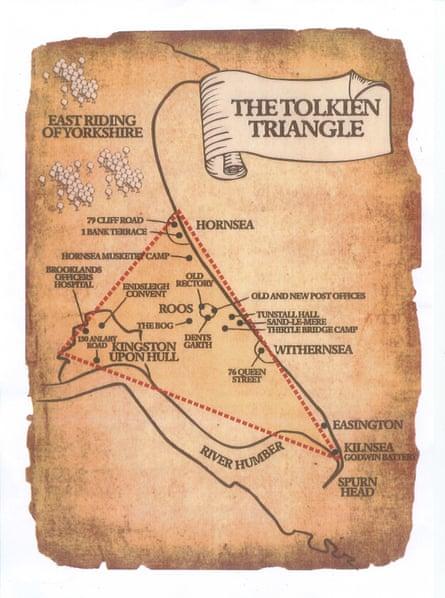
Exploring Tolkien's Formative Years in East Yorkshire
J.R.R. Tolkien's journey as a writer can be traced back to the pastoral landscapes of East Yorkshire, a place that he called home during his adolescent years. Settling in this region while his mother took up residence in nearby towns, Tolkien's early experiences in the rolling hills and ancient woodlands would lay the groundwork for his mythical creation, Middle-earth.
It was here, amidst the tapestry of rural life and historical settlements, that Tolkien began to cultivate an appreciation for languages, lore, and the overarching essence of Englishness that would permeate his later works. This was a time of intellectual and imaginative growth, as the young Tolkien would roam the meadows and delve into the depths of his creativity.
During this formative period, Tolkien would have been familiar with the inns and resting places of the locale. One such place that echoes the period's charm is the central hotel scarborough, a fine example of the accommodations that may have been sought by travelers of the region during that era. The hospitality and restful ambiance of such places possibly provided young Tolkien with comfortable spaces to jot down his early tales and sketches, which sowed the seeds for his tales of hobbits, elves, and dwarves.
Tales of the Humber: Local Myths Inspiring Legendary Stories
The Humber region is steeped in myth and folklore that resonates through its villages and landscapes. Much like the stories of the Shire, these local tales bear a kind of simplicity and homely wisdom that later found a mirror in Tolkien's hobbits.
Intriguing parallels can be drawn between the legends surrounding the River Humber and the enchanting rivers of Middle-earth. By examining these similarities, one can glimpse how Tolkien may have been inspired to thread the historic and mythical essence of this region into his fantastical tapestries.
Influence of East Yorkshire Myths on Middle-earth | ||
East Yorkshire Myth | Element in Middle-earth | Notable Characteristics |
|---|---|---|
Black Dog of the Wolds | Wargs | Fearsome, supernatural canines roaming the landscapes. |
Faery Folk of the Dales | Elves | Enigmatic beings with a deep connection to nature. |
Legends of Giants building ancient roads | Stone-giants | Massive, enigmatic creators of ancient structures. |
Spirit of the Humber | Goldberry, River-woman's daughter | Mystical river entity dwelling in waters similar to the Humber. |
Landscapes Transformed into Literary Backdrops

The Wolds: From Rolling Hills to Hobbiton
Throughout the verdant expanses of the Wolds, travelers can behold the undulating topography that gave rise to the iconic Shire in J.R.R. Tolkien's 'The Hobbit'. These rolling hills, with their quilt-like fields and ancient hedgerows, seem to burst directly from the pages of classic literature. Venturing through these lands, one can imagine the bustle of Hobbit life amidst the pastoral tranquility.
The transformation from simple countryside to the legendary Hobbiton is a process steeped in imagination and meticulous crafting. The earthy burrows and whimsical gardens are not merely the work of fancy; they materialize through an intricate blend of natural beauty and human artistry. To experience the Wolds as Hobbiton is to step into a realm where fantasy and reality dance in perfect harmony.
Folklore and Nature: The Inspiration for Rivendell's Enchantment
Within the embrace of ancient forests, where streams weave like threads of silver through the foliage, lies the mystical allure that inspired Rivendell. It is in such settings that the interplay of folklore and verdant landscapes emerge to inspire tales of otherworldly realms.
Elven architecture, as described in the tales of Middle Earth by Tolkien, often reflects the harmonious relationship between nature and the mythic. Rivendell's creation is a testament to this bond, blending the ethereal elven aesthetic with the organic contours of the land. The following table illustrates the elements of nature and corresponding features of Rivendell:
Nature's Element | Rivendell Feature |
|---|---|
Waterfalls & Streams | Trickling water features amidst Elven halls |
Ancient Trees | Tall sentinels blending with the architecture |
Rocky Outcrops | Foundations that rise seamlessly from the earth |
Wildflowers | Bursts of color in Elven gardens |
In considering these deep connections, a walk through the woods takes on a new level of wonder. One begins to view each element through the lens of artistic possibility – how a simple brook could inspire an elven fountain, or how the shade provided by an ancient tree could also shelter a meeting of mythical beings. It is in these environments that we understand how landscapes are not just backdrops, but characters in their own narratives, fueling imaginations and enriching our literary heritage.
Tolkien's Academic Pursuits in East Yorkshire Lands

Old English and Nordic Connections in His Work
Travelers with an affinity for Tolkien's legendary works may find great pleasure in exploring the contours of East Yorkshire, where the echoes of Old English and Nordic languages resonate through the landscape. It's within these realms that Tolkien, a profound academic and philologist, drew inspiration for the languages and cultures of his mythical Middle-earth.
Fascinated by the ancient connection between the land and its languages, Tolkien incorporated elements of Old English and Norse mythologies into his own work. Indeed, the very names of his characters – such as Gandalf and Thorin – owe their origins to the old tales and mythic sagas Tolkien held in such regard.
As adventurers ramble through the rolling fields and historic sites, they can almost hear the whispers of these ancient tongues on the winds, a testament to the profound Nroddic strands woven into the literary tapestry of The Lord of the Rings and The Hobbit.
Linguistic Legacy: The Invented Languages of Middle-earth
John Ronald Reuel Tolkien's unparalleled mastery in the creation of invented languages is rooted deeply in his academic studies. A detail beloved by linguistic enthusiasts is how his fictional languages are complete with their own phonology, grammar rules, and vocabulary, reflecting the cultures of their speakers.
Here is a brief guide to some memorable tongues from Middle-earth, arranged for those wanderers of the world who seek to immerse themselves in Tolkien's linguistic legacy:
Language | Speakers | Writing System | Novel Appearances |
|---|---|---|---|
Sindarin | Elves | Tengwar | The Lord of the Rings, The Silmarillion |
Quenya | High Elves | Tengwar | The Lord of the Rings, The Silmarillion |
Khuzdul | Dwarves | Cirth | The Hobbit, The Lord of the Rings |
Black Speech | Orcs, Sauron | Tengwar (variant) | The Lord of the Rings |
Westron | Common Folks | None | The Lord of the Rings |
Rohirric | Rohirrim | None | The Lord of the Rings |
Embarking on a quest to East Yorkshire does not merely involve tracing the geographic footsteps of a beloved author—it is to journey through the richly woven linguistic heritage that Tolkien has left to the world. With every hillock and stream evoking tales of old, one can scarcely resist the call to delve deeper into the lands that have shaped the legends of literature.
Old English and Nordic Connections in His Work
Travelers with an affinity for Tolkien's legendary works may find great pleasure in exploring the contours of East Yorkshire, where the echoes of Old English and Nordic languages resonate through the landscape. It's within these realms that Tolkien, a profound academic and philologist, drew inspiration for the languages and cultures of his mythical Middle-earth.
Fascinated by the ancient connection between the land and its languages, Tolkien incorporated elements of Old English and Norse mythologies into his own work. Indeed, the very names of his characters – such as Gandalf and Thorin – owe their origins to the old tales and mythic sagas Tolkien held in such regard.
As adventurers ramble through the rolling fields and historic sites, they can almost hear the whispers of these ancient tongues on the winds, a testament to the profound Nroddic strands woven into the literary tapestry of The Lord of the Rings and The Hobbit.
Linguistic Legacy: The Invented Languages of Middle-earth
John Ronald Reuel Tolkien's unparalleled mastery in the creation of invented languages is rooted deeply in his academic studies. A detail beloved by linguistic enthusiasts is how his fictional languages are complete with their own phonology, grammar rules, and vocabulary, reflecting the cultures of their speakers.
Here is a brief guide to some memorable tongues from Middle-earth, arranged for those wanderers of the world who seek to immerse themselves in Tolkien's linguistic legacy:
Language | Speakers | Writing System | Novel Appearances |
|---|---|---|---|
Sindarin | Elves | Tengwar | The Lord of the Rings, The Silmarillion |
Quenya | High Elves | Tengwar | The Lord of the Rings, The Silmarillion |
Khuzdul | Dwarves | Cirth | The Hobbit, The Lord of the Rings |
Black Speech | Orcs, Sauron | Tengwar (variant) | The Lord of the Rings |
Westron | Common Folks | None | The Lord of the Rings |
Rohirric | Rohirrim | None | The Lord of the Rings |
Embarking on a quest to East Yorkshire does not merely involve tracing the geographic footsteps of a beloved author—it is to journey through the richly woven linguistic heritage that Tolkien has left to the world. With every hillock and stream evoking tales of old, one can scarcely resist the call to delve deeper into the lands that have shaped the legends of literature.
Personal Recollections: Friends and Foes in Tolkien's Memories
Comrades of the Great War: East Yorkshire's Influence on Fellowship Bonds
The tight-knit fellowship depicted in Tolkien's Middle-earth was not a whimsical creation, but rather a reflection of the profound comradeship forged in the trenches of the Great War. As a linguist officer stationed with the East Yorkshire Regiment, Tolkien was immersed in an environment where unity and loyalty were more than noble concepts—they were survival mechanisms. The seeds of the Fellowship can be traced back to this crucible of friendship and shared adversity.
The shared experiences of the soldiers, including their dialects, stories, and songs, deeply influenced Tolkien's creation of the diverse but united Fellowship members. Just as the Hobbits, Men, a Dwarf, an Elf, and a Wizard unite against a common enemy, so too did men of different ranks and regions come together in the face of unfathomable challenges.
Adversities Faced: The Foundations of Evil in Middle-earth
Perhaps less apparent are the origins of Tolkien's personifications of evil in his Middle-earth saga. Enduring the horrors of war, such as the Battle of the Somme, Tolkien confronted the sheer scale of human and environmental devastation. This exposure to the brutality of conflict and industrial warfare provided a grim backdrop for the dark forces at play in his fantasy world.
In the table below, we trace the parallels between the adversaries Tolkien faced in life and their manifestations in his works:
Real-World Influence | Middle-earth Counterpart |
|---|---|
Machine Warfare | Orcs & the mechanization of Isengard |
Gas Attacks | Deadly fumes from Mount Doom |
Trench Warfare | Fortresses & Sieges (Helm's Deep) |
Loss of Friends | Fall of Gandalf & Boromir's Sacrifice |
Dehumanizing Aspects of Conflict | The corruption of Gollum & Ringwraiths |
Architectural Echoes in Tolkien's Middle-earth
From Beverley Minster to the Towers of Minas Tirith
Exploring the depths of J.R.R. Tolkien's Middle-earth, one cannot help but notice the striking resemblance of its monumental structures to our own world's architectural marvels. Among these, the grandeur of Beverley Minster echoes in the white towers of Minas Tirith, the capital of Gondor. With its soaring spires and intricate stonework, Beverley Minster, located in East Yorkshire, has become a touchstone for the imagined semblances seen in Tolkien's fictional city.
The parallels between the two are not mere coincidences; Tolkien, a scholar with a profound love for history and legend, infused his creation with elements from the real world. This blending of fact and fantasy grants a palpable authenticity to his universe. Minas Tirith's design is a tapestry of influences, and in its fortifications and towers, the hands of history can be seen to have shaped every stone.
Gothic Structures and Saxon Churches: Building the Edifice of Middle-earth
Within the pages of Middle-earth, the architectural styles are as varied and complex as those in our world. The Gothic style, characterized by pointed arches, vaulted ceilings, and an emphasis on verticality, finds its mirror in the elven realms, such as the soaring city of Rivendell. Meanwhile, the more humble Saxon churches, with their thick walls and simple, massive construction, are reflected in the stout architecture of the Shire's hobbit holes and the hall of Rohan's Meduseld.
It's clear that Tolkien not only constructed languages and lore but also drew from a rich architectural heritage to give each race and region of Middle-earth a distinct structural identity. Below is a comparative table outlining these inspirations:
Middle-earth Location | Inspired by | Architectural Style | Features |
|---|---|---|---|
Minas Tirith | Beverley Minster | Gothic | Spires, White Stone, Fortified Walls |
Rivendell | Gothic Cathedrals | Gothic | Pointed Arches, Natural Integrations |
The Shire | Saxon Churches | Saxon/Romanesque | Thatch Roofs, Round Doors, Earth Sheltered |
Meduseld | Anglo-Saxon Halls | Saxon | Thatch Roof, Great Hall, Mead Hall |
This table serves as a guideline, illustrating the real-world inspirations behind the fantastical architecture of Tolkien's saga. Each element borrowed from history not only establishes the visual spectacle of Tolkien's universe but also roots the fantasy in a believable and relatable reality.
Mythical Creatures and East Yorkshire's Fauna
Dragons of the North and Wyrms of the Old World
The echoes of ancient roars still resonate through the folklore of East Yorkshire, where dragons once soared. Revered in tales of valor and destruction, these mighty wyrms have etched their tales into the very land itself. Visitors can explore the places where legends speak of scaled beasts, such as the feared 'Worm of Slaydale' and the mighty 'Dragon of Wantley' that are etched into Northern lore. Their stories are primarily preserved through ballads and masonry, often inspiring adventurers to seek the thrill of what once was.
But not all serpentine creatures were fierce. Some tales spin yarns of benevolence, of dragons guarding treasures—not for greed, but for the good of the realm. Our mythical tour of East Yorkshire wouldn't be complete without whispering these tales by cavernous hollows and under starlit skies, where imagination allows for a glimpse into a time when dragons ruled the skies.
The Wildlife of Yorkshire and Entish Ents
In contrast to the mythical dragons, the wildlife of East Yorkshire is both diverse and enchanting. Its moors, woodlands, and coasts play host to a multitude of creatures, from the majestic red deer to the secretive barn owl. The ancient woods are so rich with life that myths of 'Entish Ents'—tree-like guardians of the forest—have emerged. These mythical beings are said to walk the thresholds of our world and the old, keeping watch over the natural treasures of Yorkshire.
Though Ents may be creations of mythology, the vital role of trees in supporting the local fauna is undeniable. They serve as habitats, sources of food, and help to maintain the ecological balance of the region. They inspire a profound respect for nature, akin to the reverence one might feel for the mythical Ents. Here, we list some of the iconic creatures that inhabit these landscapes, as real and wondrous as any tale:
Creature | Habitat | Season | Status | Mythical Counterpart |
|---|---|---|---|---|
Red Deer | Woodlands | Autumn | Stable | The White Hart |
Barn Owl | Grasslands & Farmland | Spring-Summer | Concern | The Owls of Athena |
Puffin | Clifftops & Islands | Summer | Vulnerable | Phoenix |
Hedgehog | Urban & Suburban Gardens | Spring-Autumn | Declining | Leshy |
Adder | Heathland | Spring | Protected | Nidhogg |
Common Toad | Wetlands | Spring | Stable | Jin Chan |
Cultural Influence: The Imprint of East Yorkshire's History
Local Heroes and Influences on Tolkien's Character Development
East Yorkshire's rich heritage served as a font of inspiration for many aspects of J.R.R. Tolkien's legendary world in 'The Lord of the Rings.' The author's time in the region, most notably during his service in the First World War, left profound imprints on his creative psyche. Historical figures from this area contributed to the nuanced heroes that have captivated readers' imaginations.
For instance, the character of Gandalf was influenced partly by the legendary North English hero Hereward the Wake, known for his deep wisdom and guerrilla resistance to Norman invaders. The vivid landscape and the resilient spirit of East Yorkshire's people color the characteristics and tribulations of many of Tolkien’s protagonists.
The Wars of the Roses: Parallels in Middle-earth’s Turmoil
The Wars of the Roses were a series of dynastic conflicts in the 15th century England, embodying a struggle for power that finds echoes in Middle-earth's own divisions and battles. Tolkien, a voracious reader of history, understood the complexity of political alliances and the nature of human conflict and transformation, weaving this understanding into the fabric of his narratives.
Much like the intricate chess game of power depicted through the clashing Lancasters and Yorkists, the fictional realm of Middle-earth depicts battles between realms, the shifting loyalties among races, and the raw ambitions of its characters. In the same vein, Gondor and Rohan, each with their storied past and political intricacies, can be seen as a mirror to the historical Yorkshire and its surroundings, contributing to an understanding of how deeply infused East Yorkshire's history is with our modern storytelling.
Parallels Between The Wars of the Roses and Middle-earth | |
Wars of the Roses | Middle-earth |
|---|---|
Lancaster vs York | Gondor vs Rohan |
Richard III's controversial reign | Denethor’s stewardship and fall from grace |
Battle of Towton - historically significant | Battle of Pelennor Fields - equally pivotal in Middle-earth |
Henry Tudor's alliance forming | Aragorn’s diplomatic unity with varied races |
Perkin Warbeck's imposter claims | Saruman’s deception and betrayal |
Ascendancy of the Tudor dynasty | Restoration of the line of Kings in Gondor |
Local Heroes and Influences on Tolkien's Character Development
East Yorkshire's rich heritage served as a font of inspiration for many aspects of J.R.R. Tolkien's legendary world in 'The Lord of the Rings.' The author's time in the region, most notably during his service in the First World War, left profound imprints on his creative psyche. Historical figures from this area contributed to the nuanced heroes that have captivated readers' imaginations.
For instance, the character of Gandalf was influenced partly by the legendary North English hero Hereward the Wake, known for his deep wisdom and guerrilla resistance to Norman invaders. The vivid landscape and the resilient spirit of East Yorkshire's people color the characteristics and tribulations of many of Tolkien’s protagonists.
The Wars of the Roses: Parallels in Middle-earth’s Turmoil
The Wars of the Roses were a series of dynastic conflicts in the 15th century England, embodying a struggle for power that finds echoes in Middle-earth's own divisions and battles. Tolkien, a voracious reader of history, understood the complexity of political alliances and the nature of human conflict and transformation, weaving this understanding into the fabric of his narratives.
Much like the intricate chess game of power depicted through the clashing Lancasters and Yorkists, the fictional realm of Middle-earth depicts battles between realms, the shifting loyalties among races, and the raw ambitions of its characters. In the same vein, Gondor and Rohan, each with their storied past and political intricacies, can be seen as a mirror to the historical Yorkshire and its surroundings, contributing to an understanding of how deeply infused East Yorkshire's history is with our modern storytelling.
Parallels Between The Wars of the Roses and Middle-earth | |
Wars of the Roses | Middle-earth |
|---|---|
Lancaster vs York | Gondor vs Rohan |
Richard III's controversial reign | Denethor’s stewardship and fall from grace |
Battle of Towton - historically significant | Battle of Pelennor Fields - equally pivotal in Middle-earth |
Henry Tudor's alliance forming | Aragorn’s diplomatic unity with varied races |
Perkin Warbeck's imposter claims | Saruman’s deception and betrayal |
Ascendancy of the Tudor dynasty | Restoration of the line of Kings in Gondor |
Uncovering Artifacts: The Historical Finds That Shaped Tolkien’s Vision
The Impact of the Sutton Hoo Discovery on the Shaping of Middle-earth
The excavation of the Sutton Hoo ship burial in 1939 unfastened a gateway into Anglo-Saxon England, its richness weaving into the fabulist looms of J.R.R. Tolkien's imagination. This sensational discovery revealed a treasure trove of artifacts, including armor, weapons, and intricate goldwork, which all provided a vivid cultural backdrop that Tolkien, a professor of Anglo-Saxon at Oxford, would later infuse into the tapestry of Middle-earth.
The centerpiece, an ornate helmet, conjured visions of ancient kings – the very likeness of rulers that would one day govern over the fabled realms such as Gondor or Rohan in Tolkien's epic. The helmet's iconic imagery parallels the helms worn by nobility in 'The Lord of the Rings,' symbolizing power and heritage. It's no leap to suggest that the sight of this Anglo-Saxon relic ignited the conception of newly imagined artifacts in Tolkien's world, including the Rings of Power themselves.
Akin to the Sutton Hoo discovery, Middle-earth was constructed on layers of ancient ruins and relics, each with its own story to tell. The site's assemblage of grave goods – the finery of a bygone warrior elite – resonated through Tolkien's creation of Middle-earth's aristocracy, their storied artifacts, and their monumental burial mounds, much like the Barrow-downs where ancient treasures lay with the once-great kings of Men.
Fascinatingly, the tools and personal effects unearthed at Sutton Hoo unveiled a connection to a wider world of trade and cultural exchange, much like the multifaceted interactions amongst the Free Peoples of Middle-earth. This incorporation enriched the social and historical complexity within Tolkien's legendarium, making it a world that teeters on the brink of realism and fantasy.
Here is a snippet of items found at the Sutton Hoo burial site juxtaposed with their conceivable counterparts in Tolkien's Middle-earth:
Sutton Hoo Artifacts | Middle-earth Counterparts |
|---|---|
Ornate Helmet | Helm of King Théoden |
Gold Buckle with Interlace Patterns | The Elven Brooches |
Sword with Gold Hilt | Narsil/Andúril |
Silver Dish | Tableware of Imladris (Rivendell) |
Shoulder Clasps | Cloak Clasps of the Fellowship |
Lyre | The Harps of the Elves |
The tangible nature of the Sutton Hoo artifacts provided a historical precedent that Tolkien masterfully transmogrified into the mythical objects and regalia of his created world. The archeological findings didn't just inspire a backdrop for Tolkien's fantasy – they helped establish a concrete, believable universe that continues to captivate readers with its depth of history derived from our own world's ancient past.
A Look into the Shire: East Yorkshire's Villages and the Hobbit Way of Life
Rural Society and Simple Joys: The Hobbits' Inspiration
When J.R.R. Tolkien created the enchanting world of the Shire, he painted a picture of pastoral perfection that many have speculated was inspired by the lush rolling hills and quaint villages of East Yorkshire. This idyllic region seems frozen in a simpler time, offering a glimpse into a rustic way of living that is charmingly analogous to the lifestyle of Tolkien's beloved hobbits.
The landscape here is dotted with small hamlets and communities, where the pace is unhurried and the people value the fruits of the earth and the change of the seasons. Gardens are blooming, livestock grazes peacefully, and the local pub is a hive of community activity. While modern amenities are available, there remains a commitment to celebrating tradition and the natural world, much like the hobbits' own philosophies.
Traditional crafts, from pottery to thatching, are not only preserved but thriving here. These picturesque villages often host fairs and festivals that celebrate these age-old practices, inviting visitors to partake in the authentic experiences that make East Yorkshire special. A visit to this region is a step back into a slower, more connected way of life, where the value is placed on harmony with nature and each other.
Village Life in East Yorkshire: An Overview | ||||
Village Name | Notable Feature | Annual Event(s) | Traditional Craft(s) | Local Delicacy |
|---|---|---|---|---|
Beverley | Medieval minster | Beverley Folk Festival | Wood carving | Beverley Bun |
Pocklington | Tudor architecture | Pocklington Arts Festival | Ironwork | Yorkshire Pudding |
Driffield | Canal walks | Driffield Show | Stone masonry | Wensleydale Cheese |
Hornsea | Coastal beauty | Hornsea Carnival | Pottery | Fish and chips |
Those seeking to explore these vestiges of a bygone era can follow a simple guide akin to the Hobbits' own adventures. Begin with strolls along the ancient footpaths that weave through fields of wildflowers, slowly making your way to the center of village life—the bustling market square or the warm-hearted local tavern. Here is where friendships are formed, stories are shared, and the essence of rural England is found in its purest form.
Embrace community-driven activities such as picking apples in the orchards during the harvest, attending a barn dance, or simply enjoying a pint of ale alongside locals. With each step and interaction, the Hobbit way of life—with its focus on simplicity, contentment, and the finer, homelier things—becomes not a fantasy, but a joyful reality.
Tolkien's Cartography: Mapping Middle-earth’s Terrain with Yorkshire In Mind
Drawing from the Dales: The Art of Fantasy Cartography
The rolling hills and lush landscapes of Yorkshire were more than mere countryside for J.R.R. Tolkien; they were an inspiration. Crafting realms on the brim of reality and fantasy, Tolkien's maps of Middle-earth took on the essence of Yorkshire's own vistas. The art of fantasy cartography involves not just technical skill, but also a blend of imagination and real-world influences. In Tolkien's case, his academic escapades across the English landscape granted him a canvas upon which to paint his legendary world.
Creating a fantasy map starts with the seed of reality, nurtured with creativity. Tolkien, a man deeply in touch with ancient texts and the physical environment around him, absorbed the traits of the Dales. He imbued his cartography with winding rivers reminiscent of the ones gushing through Yorkshire, forests echoing the dense woodland areas, and isolated settlements that mirrored the solitude of English country houses. It's a meticulous process, involving delicate brushwork, careful consideration of scale, and an intrinsic understanding of geography. All of these aspects come together to form worlds that feel as real as they do magical.
Each map Tolkien drew was more than a guide to Middle-earth; it was a narrative device. Hills and valleys became indicators of adventure, and the placement of a river or a mountain spoke volumes of the journey that his characters would undertake. The map became a central piece of the storytelling, seamlessly integrating fantasy with mappable landscapes that felt tangibly real. What began as Yorkshire's natural beauty transformed into a terrain of myth through Tolkien's imaginative cartography.
Comparative Features of Yorkshire and Middle-earth's Terrain | ||
Feature | Yorkshire, England | Middle-earth Equivalent |
|---|---|---|
Rivers | River Swale, Wharfe, and Aire | The Brandywine, Anduin, and Isen |
Forests | The thickly wooded areas of the North York Moors | Fangorn Forest, Mirkwood, and Lothlórien |
Hills and Dales | Yorkshire Dales' rolling hills and valleys | The Shire, Rohan's rolling plains, and Emyn Muil |
Isolated Settlements | Rural farms and hamlets | Hobbiton, Bree, and the scattered Dúnedain outposts |
Mountain Ranges | Pennines, often described as the "backbone of England" | The Misty Mountains, White Mountains, and the Blue Mountains |
Understanding how these elements of Tolkien's creative process can influence one's own journey in map-making is invaluable. Whether you are an artist looking to build your own fantasy world or a traveler hoping to see the landscapes that stirred a beloved author's imagination, the connections between Middle-earth and Yorkshire offer a roadmap of creative potential. By recognizing the real-world inspirations behind Tolkien's mythical cartography, we can appreciate the rich tapestry of influences that fuel creative masterpieces.
East Yorkshire's Seasonal Influence on the Narrative of Middle-earth
Harsh Winters and Fertile Springs: The Circle of Life in Tolkien's World
Just as seasons profoundly impact the natural world, they equally shape the imaginary landscapes that dwell within our favorite stories. The legendary Middle-earth created by J.R.R. Tolkien is no exception. Drawing inspiration from the stark contrast of East Yorkshire's climate, the seasons in Tolkien's epic saga reflect the triumphs and tribulations of its inhabitants.
Winter in Middle-earth brings about not only a physical but a metaphorical chill. These cold months are often symbolic of hardship and the stalling of life, mirroring the harsh winters that sweep across the Yorkshire landscape. It's in these challenging times, just as the people of Yorkshire have historically huddled together for warmth, that Middle-earth's characters find strength in unity.
With the melting snows and the first blooms of Spring, a sense of hope is restored, much like the fertile springs in East Yorkshire. As the earth thaws and rejuvenates, so too does the optimism of Middle-earth’s heroes, nurturing the seeds of victory planted in darker days. It's in this cycle of death and rebirth that the narrative of Middle-earth pulsates with life.
The Impact of Seasonal Transitions on Middle-earth's Inhabitants
Tolkien’s depiction of seasons gives each phase a narrative significance that resonates with anyone familiar with the temperamental transition periods of East Yorkshire. As the residents there prepare for the changing weather, so do the diverse characters of Middle-earth brace themselves for the challenges each season brings.
Seasonal shifts in East Yorkshire herald activities unique to those times. Below is a table comparing these to the events and activities within Middle-earth during similar seasonal changes.
Season | East Yorkshire Activities | Middle-earth Events |
|---|---|---|
Spring | Sowing crops, lambing season | Quests begin, alliances formed |
Summer | Festivals, harvest preparation | Battles waged, journeys underway |
Autumn | Harvesting, preserving goods | Harvest celebrations, preparation for winter |
Winter | Indoor crafts, storytelling | Reflection, strategic planning |
Instruction on Embracing Yorkshire's Seasons Like a Hobbit
Emulating the simple, robust lifestyle of Hobbits can give us a deeper appreciation of the seasons. Here's a step-by-step guide to enjoying life in a Hobbit-like fashion, tailored for the environment of East Yorkshire.
Step 1: Cultivate a kitchen garden. Hobbits love fresh produce, so plant vegetables and herbs that thrive in local conditions.
Step 2: Prepare seasonal feasts. Use your harvest to cook hearty meals. Think of the lavish spreads in 'The Shire,' brimming with seasonal delights.
Step 3: Share stories by the fireside. As the nights grow longer, gather friends and family to recount tales of the day, much like the tradition of storytelling in Hobbiton.
Step 4: Attend local festivals. Celebrate the seasons at community events to foster togetherness and joy, reminiscent of Hobbits' love for merrymaking.
Step 5: Take long walks through the countryside. Enjoy the beauty of the changing landscape reflecting on life’s journey, as many characters do throughout the 'Lord of the Rings' series.
Literary Legacy: How East Yorkshire Continues to Shape Tolkien Studies
Educational Paths: Studying Tolkien in Yorkshire's Institutions
The rolling green hills and ancient woodlands of East Yorkshire have long been a source of inspiration for scholars and fans of J.R.R. Tolkien. Yorkshire's esteemed universities and colleges offer comprehensive courses that explore the depths of Tolkien's work, touching upon the nuanced interplay between his world-building and the real landscapes that influenced him. Programmes dedicated to English literature and fantasy often include modules that dissect Tolkien's methodologies, his linguistic prowess, and the rich mythology of Middle-earth.
Prospective students can delve into Tolkien's influence on modern fantasy literature and his contribution to the fantasy genre through dedicated seminars and workshops. These educational pursuits not only celebrate Tolkien's legacy but also encourage critical analysis and academic discourse on his oeuvre.
For those eager to follow in Tolkien's footsteps, Yorkshire's libraries and archives hold a treasure trove of materials, including first editions of his works and scholarly articles that provide a window into the author's creative process. Such resources are invaluable for undergraduates, postgraduates, and doctoral candidates seeking to contribute original research to Tolkien studies.
Inspiring New Generations: Tolkien Tourism in East Yorkshire
East Yorkshire's Tolkien tourism breathes new life into the region's picturesque landscapes, which are believed to have inspired the Shire. Visitors from across the globe are encouraged to immerse themselves in the settings that mirror the homely hills and dales of Bilbo Baggins' home. Guided tours often recount how the sights and sounds of East Yorkshire may have shaped the pastoral vistas of Tolkien's narrative.
To provide a structured journey through Tolkien's inspirations, here's a step-by-step guide to creating your own adventure in the heart of Yorkshire:
Start at Bree: Find accommodations that replicate the snugness of the Prancing Pony. Inns and bed-and-breakfasts dot the Yorkshire countryside, offering a similar warmth and hospitality.
Rivendell in the Dale: Visit the tranquil valleys and secluded rivers that bring to mind the Last Homely House east of the sea.
The Brandywine River: Explore the bounding rivers thought to inspire the iconic watercourse of Middle-earth.
Hobbiton via Yorkshire: Stroll through the villages with circular doorways and gardens that evoke the Shire's cozy hobbit holes.
The Green Dragon: End your day at a local pub that offers the same communal joy found in Hobbiton’s own gathering place.
Furthermore, various events and festivals celebrate Tolkien's legacy, offering lectures, readings, and reenactments that enable enthusiasts to deepen their appreciation and understanding of his works. The following table lists yearly happenings that Tolkien fans wouldn't want to miss:
Event | Location | Month | Activities | Website |
|---|---|---|---|---|
Shire Fest | East Riding | July | Costume parades, music, hobbit-inspired feasts | N/A |
Rivendell Rally | Woldgate | May | Guided nature walks, art exhibitions | N/A |
Bree's Market | Beverley | September | Medieval market, storytelling sessions | N/A |
Dragon’s Flight | Driffield | August | Hot air balloon rides, archery competitions | N/A |
These events serve as a testament to the unwavering passion the locals and international visitors share for the literary titan, keeping the spirit of Tolkien alive in the rolling hills of East Yorkshire.
Educational Paths: Studying Tolkien in Yorkshire's Institutions
The rolling green hills and ancient woodlands of East Yorkshire have long been a source of inspiration for scholars and fans of J.R.R. Tolkien. Yorkshire's esteemed universities and colleges offer comprehensive courses that explore the depths of Tolkien's work, touching upon the nuanced interplay between his world-building and the real landscapes that influenced him. Programmes dedicated to English literature and fantasy often include modules that dissect Tolkien's methodologies, his linguistic prowess, and the rich mythology of Middle-earth.
Prospective students can delve into Tolkien's influence on modern fantasy literature and his contribution to the fantasy genre through dedicated seminars and workshops. These educational pursuits not only celebrate Tolkien's legacy but also encourage critical analysis and academic discourse on his oeuvre.
For those eager to follow in Tolkien's footsteps, Yorkshire's libraries and archives hold a treasure trove of materials, including first editions of his works and scholarly articles that provide a window into the author's creative process. Such resources are invaluable for undergraduates, postgraduates, and doctoral candidates seeking to contribute original research to Tolkien studies.
Inspiring New Generations: Tolkien Tourism in East Yorkshire
East Yorkshire's Tolkien tourism breathes new life into the region's picturesque landscapes, which are believed to have inspired the Shire. Visitors from across the globe are encouraged to immerse themselves in the settings that mirror the homely hills and dales of Bilbo Baggins' home. Guided tours often recount how the sights and sounds of East Yorkshire may have shaped the pastoral vistas of Tolkien's narrative.
To provide a structured journey through Tolkien's inspirations, here's a step-by-step guide to creating your own adventure in the heart of Yorkshire:
Start at Bree: Find accommodations that replicate the snugness of the Prancing Pony. Inns and bed-and-breakfasts dot the Yorkshire countryside, offering a similar warmth and hospitality.
Rivendell in the Dale: Visit the tranquil valleys and secluded rivers that bring to mind the Last Homely House east of the sea.
The Brandywine River: Explore the bounding rivers thought to inspire the iconic watercourse of Middle-earth.
Hobbiton via Yorkshire: Stroll through the villages with circular doorways and gardens that evoke the Shire's cozy hobbit holes.
The Green Dragon: End your day at a local pub that offers the same communal joy found in Hobbiton’s own gathering place.
Furthermore, various events and festivals celebrate Tolkien's legacy, offering lectures, readings, and reenactments that enable enthusiasts to deepen their appreciation and understanding of his works. The following table lists yearly happenings that Tolkien fans wouldn't want to miss:
Event | Location | Month | Activities | Website |
|---|---|---|---|---|
Shire Fest | East Riding | July | Costume parades, music, hobbit-inspired feasts | N/A |
Rivendell Rally | Woldgate | May | Guided nature walks, art exhibitions | N/A |
Bree's Market | Beverley | September | Medieval market, storytelling sessions | N/A |
Dragon’s Flight | Driffield | August | Hot air balloon rides, archery competitions | N/A |
These events serve as a testament to the unwavering passion the locals and international visitors share for the literary titan, keeping the spirit of Tolkien alive in the rolling hills of East Yorkshire.